

As alternative housing solutions become more popular, many homeowners are exploring options beyond traditional site-built homes. Two housing types that are often confused are modular box homes and manufactured homes. While they may appear similar at first glance, there are significant differences in how they are built, regulated, customized, and installed.
Understanding the distinctions between modular box homes and manufactured homes can help homeowners make informed decisions when choosing the right housing solution for their property. Whether you’re looking for an accessory dwelling unit (ADU), a guest house, a rental property, or a primary residence, knowing these differences is essential.
Understanding the Basic Difference
One of the biggest misconceptions is that modular homes and manufactured homes are the same thing. In reality, they are built using different methods and are governed by different building standards.
What Are Modular Box Homes?
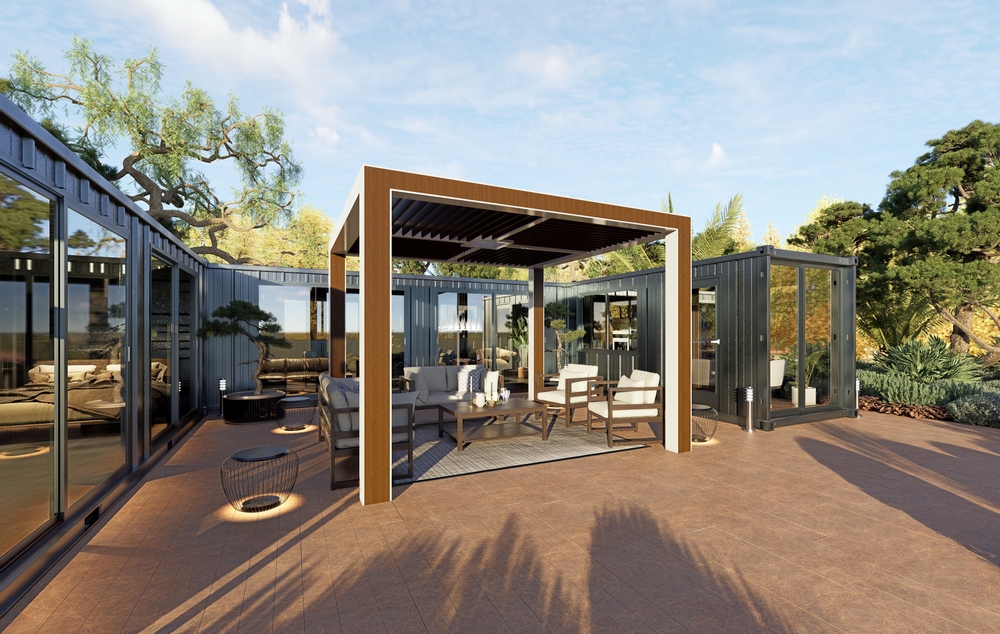
Modular homes are constructed in sections within a factory-controlled environment. Once completed, the sections are transported to the building site and assembled on a permanent foundation.
Modern modular box homes, including innovative BOXABL units, are designed to provide the same quality and durability as traditional homes while significantly reducing construction timelines.
These homes are built with precision-controlled manufacturing processes that minimize material waste and improve consistency.
What Are Manufactured Homes?
Manufactured homes, often referred to as mobile homes, are built entirely in a factory and transported on a permanent steel chassis. They are designed for transportation and may remain attached to their original frame even after installation.
While manufactured homes provide an affordable housing option, they differ significantly from modular homes in terms of construction standards, customization, and long-term flexibility.
Construction Quality and Building Standards
One of the most important differences between modular box homes and manufactured homes is the building code they must follow.
Modular Homes Follow Local Building Codes
Modular homes are required to meet the same local and state building codes as traditional site-built homes. This means they must comply with:
- Structural requirements
- Energy efficiency standards
- Electrical codes
- Plumbing regulations
- Wind and snow load requirements
Because they meet local building codes, modular homes are often viewed similarly to conventional homes by lenders, appraisers, and buyers.
Manufactured Homes Follow HUD Standards
Manufactured homes are built according to standards established by the U.S. Department of Housing and Urban Development (HUD).
While HUD regulations ensure safety and quality, they differ from local residential building codes. This distinction can sometimes affect financing options, resale value, and zoning restrictions depending on the location.
Greater Customization Options
Another major advantage of modular homes is flexibility in design.
Modular Homes Offer Personalized Layouts
Many homeowners choose modular homes because they can customize:
- Floor plans
- Exterior finishes
- Roofing styles
- Interior layouts
- Cabinets and countertops
- Flooring options
- Window placement
This level of personalization allows homeowners to create a space that fits their lifestyle while maintaining the efficiency of factory-built construction.
Companies like Tuscany Builders help homeowners explore these options while ensuring the final product blends seamlessly with the existing property.
Manufactured Homes Tend to Be More Standardized
Although modern manufactured homes offer some customization, options are generally more limited compared to modular construction.
Most manufactured homes follow predefined floor plans and design packages, making them less flexible for homeowners seeking a highly personalized living space.
Faster Construction Timelines
One reason modular housing continues to gain popularity is speed.
Traditional home construction can take many months due to weather delays, labor shortages, and material availability. Modular homes reduce many of these challenges because the majority of construction takes place indoors in a factory setting.
Benefits include:
- Reduced weather-related delays
- Faster project completion
- Better quality control
- More predictable timelines
Working with a professional Certified BOXABL Installer can make the installation process even more efficient by coordinating site preparation, permitting, and utility connections.
Energy Efficiency Advantages
Modern modular box homes are often designed with energy performance as a priority.
Many units include:
- Advanced insulation systems
- Energy-efficient windows
- Tight building envelopes
- Modern HVAC compatibility
These features help reduce utility costs while improving year-round comfort.
Because modular homes meet local building energy codes, they are often more efficient than older manufactured homes and can contribute to long-term savings for homeowners.
Durability and Long-Term Value
Durability is another area where modular homes often stand out.
Since modular homes must withstand transportation and crane installation before being assembled, many components are engineered to be exceptionally strong. Once installed on a permanent foundation, they perform similarly to traditional site-built homes.
Advantages include:
- Strong structural integrity
- Long-term durability
- Improved resistance to environmental conditions
- Greater potential resale value
For homeowners seeking an ADU or secondary dwelling unit, modular box homes can provide a long-lasting solution that complements the main property.
Why BOXABL Is Changing the Conversation
BOXABL has helped bring modular housing into the spotlight by introducing innovative foldable housing units designed for rapid deployment and efficient installation.
These modern modular homes combine:
- Compact, functional designs
- Fast installation timelines
- Energy-efficient construction
- Attractive modern aesthetics
Working with a qualified Certified BOXABL Installer ensures the process is handled correctly from site preparation through final setup, helping homeowners maximize the benefits of this innovative housing solution.
Modular Living, Modern Advantages: Choosing the Right Home for the Future
When comparing modular box homes vs manufactured homes, the differences go far beyond appearance. Modular homes offer stronger customization options, compliance with local building codes, enhanced energy efficiency, and long-term durability that more closely resembles traditional home construction.
For homeowners seeking flexible living space, ADUs, guest houses, rental units, or modern housing solutions, modular box homes provide an attractive combination of speed, quality, and value. By partnering with experienced professionals like Tuscany Builders, you can confidently explore modular housing options that fit your property, budget, and long-term goals.